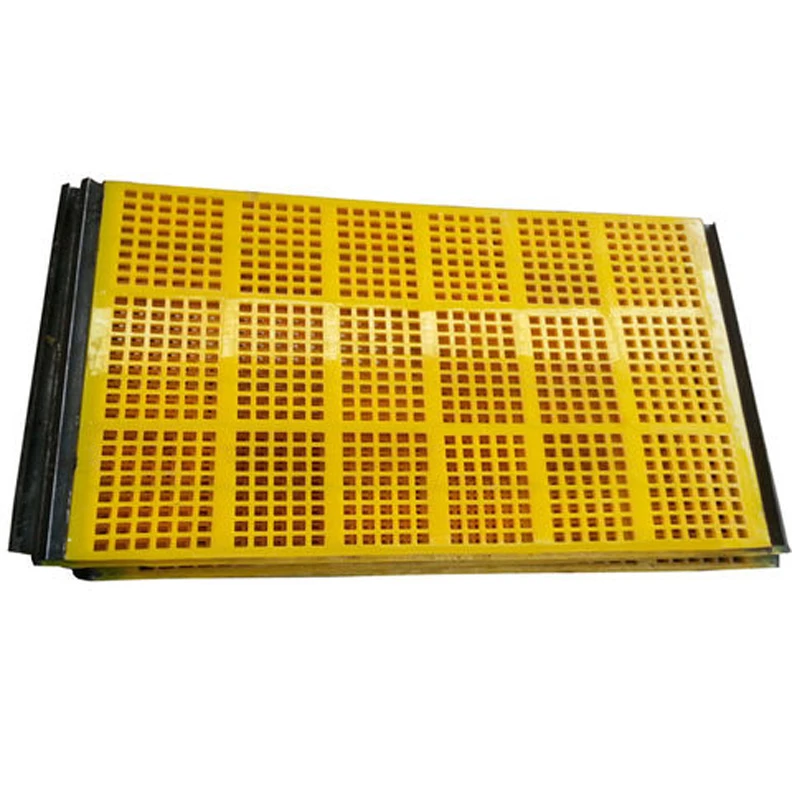
Understanding Polyurethane Screen Panels: An Industry Overview In the demanding world of material processing, efficient and durable screening solutions are paramount. Polyurethane screen panels have emerged as a superior alternative to traditional metal or rubber screens, offering enhanced performance and longevity. This article delves into the technical aspects, applications, and strategic advantages of the pu screen , providing B2B decision-makers and engineering professionals with comprehensive insights. From the intricate manufacturing process to real-world application case studies, we aim to deliver an authoritative and trustworthy resource for optimizing screening operations. The Advanced Manufacturing Process of Polyurethane Screen Panels The production of a high-performance pu screen involves a meticulous process, ensuring each panel meets stringent quality and durability standards. Our manufacturing adheres to ISO 9001 quality management principles, guaranteeing product consistency and reliability for critical industrial applications. Process Flow: From Raw Material to Finished Product Material Selection: We utilize premium-grade polyurethane elastomers, selected for their exceptional abrasion resistance, elasticity, and chemical stability. Key material properties, such as a Shore A hardness typically ranging from 85-95, are critical for specific application requirements. These materials are sourced from certified suppliers to ensure purity and performance consistency. Mold Preparation: Precision molds, often made from steel or specialized polymers, are engineered to exact specifications for aperture size, shape, and overall panel dimensions. The design considers factors such as open area percentage and optimal flow dynamics. Casting/Injection Molding: The chosen polyurethane mixture is accurately metered, mixed with catalysts and additives (e.g., UV stabilizers, anti-hydrolysis agents), and then injected or cast into the prepared molds under controlled temperature and pressure. This casting process ensures complete mold filling and eliminates voids, which are common failure points in lesser quality screens. Curing and Demolding: After casting, the panels undergo a precise curing cycle, typically involving elevated temperatures, to achieve optimal polymer cross-linking and mechanical properties. Once cured, the panels are carefully demolded to prevent damage. Finishing and Trimming: Excess material (flash) is removed, and edges are trimmed to ensure precise fitment and structural integrity. Any inserts or fastening mechanisms are integrated at this stage. Quality Control and Testing: Each pu screen panel undergoes rigorous inspection. This includes dimensional verification (ANSI standards often referenced), hardness testing, tensile strength testing, and visual inspection for defects. Batch samples may undergo accelerated wear tests to predict service life under typical operating conditions. Our internal testing protocols often exceed standard requirements to ensure maximum product lifespan. Packaging and Dispatch: Panels are carefully packaged to prevent damage during transit, ready for dispatch to target industries such as mining, metallurgy, aggregates, coal preparation, and various water treatment applications. This meticulous manufacturing process yields a polyurethane fine screen with an extended service life, often 3-5 times longer than traditional wire mesh or steel screens. In typical application scenarios, these screens demonstrate significant advantages such as energy saving due to lower mass and smoother operation, and superior corrosion resistance against various chemicals and harsh environmental conditions. Industry Trends and Market Dynamics for Polyurethane Screening The market for polyurethane screen panels is experiencing robust growth driven by several key industry trends. A primary driver is the increasing demand for enhanced operational efficiency and reduced maintenance costs in mineral processing, quarrying, and recycling operations. Companies are actively seeking solutions that offer longer wear life and superior screening performance to minimize downtime and maximize throughput. Environmental regulations and sustainability initiatives also play a significant role. Polyurethane screens contribute to a safer working environment by reducing noise levels by up to 10-15 dB compared to metal screens and producing less dust during operation. Furthermore, their longer lifespan reduces material consumption and waste, aligning with corporate sustainability goals. The push for fine screening applications, especially in sectors like sand and gravel, further elevates the need for durable and high-precision polyurethane fine screen solutions that resist blinding and pegging. Customization capabilities, allowing for tailored aperture shapes and panel configurations, are also becoming a critical competitive differentiator, enabling optimized performance for unique material characteristics. Technical Specifications and Performance Parameters The performance of a pu screen panel is defined by its robust technical specifications, engineered to withstand severe abrasive and impact conditions. Understanding these parameters is crucial for selecting the optimal screening solution for specific material characteristics and operational demands. Typical Polyurethane Screen Panel Specifications Parameter Specification Range Benefit/Significance Material Hardness (Shore A) 85-95 Durometer Optimized balance of abrasion resistance and elasticity for various material types. Aperture Size 0.5 mm - 150 mm (square, rectangular, round, slotted) Precision screening for fine to coarse separation; customizable for specific aggregate sizes. Panel Thickness 30 mm - 60 mm (customizable) Durability and structural integrity, adaptable to various impact loads. Operating Temperature Range -30°C to +80°C Reliable performance in diverse climatic conditions. Open Area Percentage 25% - 50% (dependent on aperture) Optimized throughput and screening efficiency. Wear Resistance Index Excellent (typically 3-5x better than steel) Extended service life, significantly reducing replacement frequency and costs. Noise Reduction Up to 15 dB reduction vs. steel Improved working conditions and compliance with occupational health standards. These specifications highlight why a pu screen is a robust choice for heavy-duty applications. The high resilience and self-cleaning properties of polyurethane minimize blinding and pegging, common issues that plague traditional screen media, ensuring consistent screening efficiency over time. Application Scenarios Across Key Industries Polyurethane screen panels are versatile and critical components across a multitude of industrial sectors. Their unique properties make them indispensable in applications where precision, durability, and efficiency are paramount. Mining and Mineral Processing: Used for dewatering, sizing, and scalping of various ores (e.g., iron ore, copper, gold, coal). The wear resistance of the pu screen is crucial in handling highly abrasive materials, significantly extending operational cycles. Aggregate and Quarrying: Essential for screening sand, gravel, crushed rock, and other construction materials. They excel in wet screening applications and resist blinding from sticky or damp materials, maintaining high throughput. Coal Preparation: Employed in the classification and dewatering of coal, enhancing the quality and market value of the end product. The anti-blinding feature of the polyurethane fine screen ensures consistent separation. Recycling: Used in the separation of various recyclable materials, including construction and demolition waste, plastic, and glass. Their durability helps withstand impact from diverse waste streams. Chemical and Fertiliser Industries: For screening granular chemical products, where resistance to corrosive substances is critical. Wood Processing: In separating wood chips or biomass particles, the panels offer precise sizing and longevity. These applications underscore the adaptability and superior performance of polyurethane screen panels in environments that would rapidly degrade traditional screening media. Technical Advantages: Why Choose Polyurethane? The strategic adoption of a pu screen delivers a multitude of technical and operational advantages that directly impact profitability and operational efficiency. Superior Wear Resistance: Polyurethane significantly outlasts conventional steel or rubber screens, especially in highly abrasive conditions. This translates to fewer change-outs, reduced labor costs, and maximized uptime. Exceptional Anti-Blinding Properties: The inherent elasticity and tapered aperture design of polyurethane panels, particularly in polyurethane fine screen applications, prevents material from sticking and blinding the screen. This self-cleaning action ensures consistent screening efficiency. Reduced Noise Levels: The dampening properties of polyurethane lead to a considerable reduction in operational noise, improving worker safety and complying with stringent environmental regulations. Corrosion and Chemical Resistance: Unlike metal screens, polyurethane is highly resistant to water, acids, alkalis, and many oils, making it ideal for wet screening and chemical processing environments. Lighter Weight and Easier Installation: Polyurethane panels are substantially lighter than steel, simplifying handling, installation, and reducing structural load on screening equipment. Cost-Effectiveness: While the initial investment might be slightly higher, the extended lifespan, reduced downtime, lower maintenance, and consistent performance of a pu screen lead to a significantly lower total cost of ownership over its operational life. Improved Safety: Reduced sharp edges and lighter weight minimize the risk of injury during installation and maintenance. Vendor Comparison: Choosing the Right Polyurethane Solution Selecting the right supplier for pu screen panel solutions is critical. Key differentiators include material quality, manufacturing precision, customization capabilities, and after-sales support. Below is a comparative analysis to guide your decision-making. Polyurethane Screen Panel Vendor Comparison Feature/Metric Standard Steel Wire Mesh Generic Rubber Screens Premium Polyurethane (Our Product) Wear Life (Relative) 1x 2-3x 4-6x (Longest lifespan, reduced downtime) Anti-Blinding/Pegging Poor (High risk) Fair Excellent (Self-cleaning apertures) Noise Reduction Poor (Very noisy) Good Excellent (Significant dB reduction) Corrosion Resistance Poor (Rusts easily) Good Excellent (Resists chemicals & water) Installation & Handling Moderate (Heavy, sharp edges) Good (Heavy) Excellent (Lighter, safer, modular) Overall Cost of Ownership High (Frequent replacement) Moderate Low (Extended life, reduced maintenance) Our polyurethane solutions are designed to deliver superior performance and value, validated by years of industry experience and countless successful installations. We pride ourselves on the quality and longevity of our products, ensuring maximum ROI for our clients. Customized Solutions for Unique Requirements Recognizing that no two operations are identical, we specialize in providing bespoke pu screen solutions. Our engineering team works closely with clients to understand specific material characteristics, desired separation efficiency, existing equipment constraints, and environmental factors. Customization options include: Aperture Design: Tailored aperture shapes (square, slotted, round, modular) and sizes to optimize screening accuracy and minimize blinding for particular material types, including specialized designs for sticky or damp aggregates. Panel Dimensions and Configuration: Custom panel sizes, thicknesses, and attachment methods (pin, bolt, rail) to seamlessly integrate with existing screening machines, regardless of brand or model. Polyurethane Formulation: Adjustments to the polyurethane compound to enhance specific properties, such as increased abrasion resistance for highly abrasive ores, or improved chemical resistance for corrosive environments. Modular Systems: Design and supply of complete modular screening systems, offering maximum flexibility and ease of replacement. Our commitment to customization ensures that every pu screen panel we deliver is perfectly matched to the application, providing optimal performance and efficiency. Application Case Studies: Proven Performance Case Study 1: Iron Ore Processing Plant, Western Australia An iron ore mining operation faced significant downtime due to rapid wear of their steel wire screens, requiring replacement every 6-8 weeks. The highly abrasive nature of the ore and constant high-impact loading led to frequent screen breakages and maintenance costs. Solution: We engineered a custom pu screen panel system, featuring a high-durometer polyurethane formulation with optimized aperture design for dense media separation. Results: After implementing our polyurethane fine screen panels, the client reported an astounding increase in screen life from 8 weeks to over 10 months. This led to an estimated 85% reduction in screen replacement costs and a 15% increase in operational uptime annually. Furthermore, noise levels around the screen deck were noticeably reduced, improving worker comfort and safety. The client's engineering team praised the ease of installation and the consistent performance, even under peak load conditions. Case Study 2: Municipal Waste Recycling Facility, Europe A large municipal waste recycling plant struggled with severe blinding and contamination of their trommel screens when processing damp and sticky organic fractions. This resulted in frequent cleaning cycles and reduced purity of separated materials. Solution: We provided modular pu screen panels with flexible, anti-blinding apertures and a specialized surface texture designed to minimize material adhesion. Results: The facility experienced a dramatic 70% reduction in blinding incidents, enabling continuous operation for significantly longer periods. The purity of the organic fraction improved by 20%, leading to higher market value. The plant manager highlighted the reduced need for manual cleaning, enhancing worker safety and significantly cutting labor costs. This demonstrated the superiority of polyurethane screen panel technology in challenging waste processing environments. Trustworthiness and Support: Our Commitment to Clients Our dedication to client success extends beyond product delivery. We build trust through transparent policies, reliable support, and a commitment to quality that is backed by years of industry experience and adherence to international standards like ISO 9001 for quality management. Frequently Asked Questions (FAQ) Q: What is the typical lifespan of a polyurethane screen panel compared to steel? A: Our pu screen panels typically last 3-6 times longer than traditional steel wire mesh screens under similar operating conditions, thanks to superior abrasion and impact resistance. Q: Can your polyurethane screens be customized for specific aperture sizes or shapes? A: Absolutely. We offer extensive customization for aperture sizes (from 0.5mm up to 150mm), shapes, panel dimensions, and material formulations to perfectly match your application needs. Q: Are polyurethane screen panels suitable for wet screening applications? A: Yes, polyurethane's excellent resistance to water, corrosion, and chemicals makes it ideal for wet screening and dewatering processes. Its anti-blinding properties are particularly beneficial in these conditions. Lead Time & Fulfillment Standard polyurethane screen panel orders typically have a lead time of 2-4 weeks, depending on volume and customization. For urgent requirements or large-scale projects, we work closely with clients to establish expedited production and delivery schedules. Our robust supply chain and efficient manufacturing processes ensure timely fulfillment. Warranty & Support All our pu screen products come with a comprehensive warranty against manufacturing defects. Specific warranty terms will be provided with your quotation, reflecting our confidence in product quality and durability. Our dedicated customer support team is available for technical consultations, installation guidance, and troubleshooting to ensure optimal performance throughout the product's lifespan. We also offer on-site support and training for complex installations or operational optimizations as required. Conclusion Polyurethane screen panels represent a significant advancement in screening technology, offering unmatched durability, efficiency, and cost-effectiveness compared to traditional media. For B2B decision-makers and engineers seeking to optimize their material processing operations, investing in high-quality pu screen solutions is a strategic decision that delivers substantial long-term benefits in terms of reduced downtime, lower maintenance costs, improved product quality, and enhanced workplace safety. Our commitment to expertise, quality manufacturing, and robust customer support ensures that our polyurethane screen panels provide reliable and superior performance across diverse industrial applications. References ISO 9001:2015 Quality management systems – Requirements. International Organization for Standardization. ASTM D2240 - 15(2021) Standard Test Method for Rubber Property—Durometer Hardness. ASTM International. Smith, J. (2019). "Advances in Polyurethane Screen Media for Mineral Processing." Journal of Mining Technology & Engineering, 4(2), 112-125. National Institute for Occupational Safety and Health (NIOSH). (2020). "Occupational Noise Exposure." Centers for Disease Control and Prevention. Williams, R. (2021). "The Impact of Screen Media on Overall Plant Efficiency in Aggregate Production." International Journal of Materials Engineering, 12(3), 201-215.